We supply custom embroidered patches with a logo for any clothing brand or retail stores, making them versatile for clothes and bags. Options like an iron-on embroidered patch, sew-on embroidered patch, custom velcro patches, or maroon border patches are all part of the traditional yet popular market. An embroidered patch is a clothing design built with overlapping thread stitches, while woven patches use thicker thread to keep small lettering and fine lines clear in your product designs. With a merrowed border that won’t unravel, fray, or curl, these patches improve a brand’s appearance, keeping it trendy, eye-catching, and helping to enrich your brand image. They’re the perfect clothing design element made from high-quality materials that are durable, sturdy, and built for high-friction use outdoors. From fashion brands to rescue teams, schools, or sports clubs, these patches are easy to clean and even help prevent shrinkage.
In my own work, I’ve seen how ground fabrics like cotton, felt, twill, polyester, PU, and leather create the right base for a patch, with edges finished tight to resist wear and curl. That’s why custom patch-making feels like a mix of creativity and craft, turning ordinary garments into wearable stories. It could be personalizing a denim jacket, branding uniforms, or adding flair to a backpack or canvas bag—it’s always about self-expression and identity. This blog works as a guide, giving step-by-step DIY techniques, smart material choices, digitization tips, and cost-saving tricks, along with pro insights to elevate results. Tools like Maggie Frame, a trusted name in magnetic embroidery hoops, provide stability and efficiency for garment embroidery, letting your stitch work bring your vision into reality.
Step-by-Step Patch Creation Methods
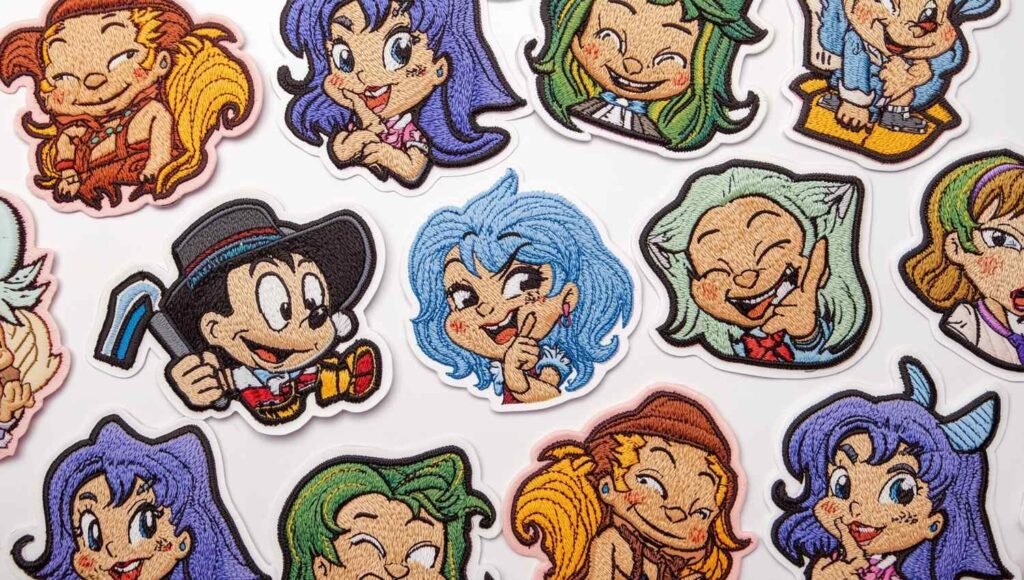
The magic of making a custom patch lies in choosing the right method for your project’s needs. Some prefer the personal, artisanal approach of hand embroidery, which feels like painting with thread. With this style, you prepare your materials, such as fabric like twill, canvas, or sturdy cotton that has been pre-treated to prevent shrinkage. Using design transfer tools like washable fabric markers, a lightbox, or even a water-soluble stabilizer, you can carefully trace your artwork. Then, with embroidery supplies such as a hoop, embroidery floss, needles, and scissors, the step-by-step process begins. Start with preparation—iron out wrinkles, add stabilizer for support, and keep the fabric secure and taut for clean stitches.
The execution stage is where your design takes life. Outlines can be done with a running stitch, larger areas filled with a satin stitch, and every knot tied neatly at the back. Once complete, you trim excess threads, cut the patch, and leave a seam allowance for easier application. the best results, follow key tips for success: keep to simple designs, use strong, clean lines, and avoid thread breakage by working slowly. Adding contrasting colors creates maximum visibility and gives your patch a real pop. From my own experience, this process demands patience, but the details you achieve tell a personalized small story every time—turning an ordinary fabric into something truly memorable.
1-Machine Embroidery Process
If you crave crisp lines and intricate designs that look the same every time, machine embroidery is the true go-to for patch creation. With technology, you can achieve professional results even in bulk orders—something handwork can’t easily match. The step-by-step process begins in embroidery software, where you create circles, logos, or custom outlines to set the design. Once ready, you hoop the fabric and use placement stitches to mark boundaries. Add adhesive—from temporary spray to peel-and-stick—and carefully align the patch fabric. For me, this stage feels like building the perfect foundation; when done right, the rest flows smoothly.
During design embroidery, use sharp-point needles for clean detail and rely on satin stitches to form a polished, professional border. The finishing is simple: cut the patch from the stabilizer, do some trimming for a tidy edge, and apply heat seal film to the back for easy iron-on application. A pro tip—water-soluble stabilizers rinse away cleanly, leaving seamless, clean edges for a flawless finish. For garment embroidery, stability is key. I’ve found magnetic hoops like Maggie Frame keep the fabric tensioned, prevent distortion, and make working with thick or tricky materials a breeze. Whether it’s business branding or producing identical patches, this method feels like an upgrade from old ways—almost like moving from a flip phone to a smartphone.
2-Iron-On Patch Method
When you need a patch in a pinch, the iron-on method is the ultimate shortcut for quick and bold customization. Instead of using a needle, you work directly with fabric like cotton or polyester blends. The step-by-step process begins with design preparation: print your artwork on transfer paper using an inkjet-compatible printer, then resize it to fit. Bold, simple designs work best here, since intricate, detailed designs can lose clarity. Place the printed design face down on the chosen fabric, then follow the iron instructions carefully.
Next comes fabric application, trimming, and sealing. Once you cut the patch to the right size, apply heat-seal film to the back, and heat-seal it at 380°F for 15 seconds to create a strong bond. This gives a durable, professional finish that feels long-lasting. For tips for success, stick to bold lines and limited colors—you’ll get the best results without overcomplicating. In my own work, I’ve found iron-on patches to be perfect for quick projects, like kids’ clothes or when I want to experiment with looks without a big time investment. Compared to other patch creation methods, this one is fast and flexible, though for truly professional results with intricate designs, I’d recommend either the hand embroidery technique or the machine embroidery process.
3-Essential Materials and Tools
The secret to a standout patch is not just in the stitching, but in choosing the right materials and tools. Every fabric foundation and finishing touches add an element of durability, appearance, and ease of application. In my own fabric selection guide, I’ve often compared canvas to a painter’s art, where the contenders stack up differently based on purpose. Twill is tightly woven and tough—the gold standard for embroidered logos that need to withstand wear and tear on uniforms and jackets, though it requires backing. Felt, with its soft edges and no-fray quality, works best for hand-stitched or layered designs, giving that vintage retro vibe.
For heavier jobs, canvas is heavy-duty and stiff, perfect for intricate designs, though it may need a stabilizer for extra support. When I’ve worked on outdoor projects, PVC and leather proved waterproof, ultra-durable, and rugged, making them ideal for outdoor gear where a pre-finished surface saves time. A quick pro tip—always match the purpose of your fabric with the patch’s function. High-traffic items like work jackets benefit from tough textiles, while decorative patches can play with softer or more creative options. Choosing the right base makes every patch stronger and more professional.
4-Stabilizers and Backings
In my experience, stabilizers and backings are the unsung heroes of patch-making. They keep your stitches crisp and your patches looking sharp, whether you’re working on a small design or bulk production. A water-soluble option like Ultra Solvy gives clean edges without residue, while tear-away or cut-away types are perfect for preventing fraying during heavy runs. Every backing type has its own use case and durability level. For instance, iron-on adhesive works with heat-sensitive fabrics and offers a moderate hold, while sew-on is the go-to for heavy-duty applications with high strength.
I’ve also seen the value of Velcro for reusable attachments when you need to swap out or reposition patches quickly. On the other hand, heat seal delivers permanent adhesion, creating a professional bond that lasts. For quick and easy application on lighter garments, iron-on is great, but when heat isn’t suitable, sew-on always wins. A small pro tip—in garment embroidery, maintaining even tension is key. Using magnetic hoops like Maggie Frame ensures superb tension control, keeping the fabric flat and the stitches precise every time.
5-Embroidery Supplies Deep Dive
The right supplies can make or break your design, and I’ve learned that choosing them carefully always delivers flawless results. For threads, polyester is my go-to—it’s durable, colorfast, and fade-resistant, ideal for patches that see a lot of action. Rayon adds a high sheen for decorative elements, while metallic threads bring sparkle when you need bold accents, though they’re a bit less tough. Pair these with sharp embroidery needles (usually size 11–12) for clean, precise stitching. Modern embroidery machines with digitizing capability let you bring any design to life, but you’ll need the correct hoop size to keep the fabric stable. Essential tools include scissors (both regular and fine-point for trimming), embroidery hoops, stabilizer, an iron, and tracing paper. For advanced finishes, an optional heat press ensures professional heat-seal backings, while digitizing software gives you freedom to create custom designs.
In my projects, design considerations always come first—intricate patterns need finer threads, while larger patches demand sturdier fabrics like canvas. To optimize stitch density and thread usage, I focus on durability factors such as tight stitching and quality materials, which ensure longevity. For backing and application, heat-seal and sew-on methods offer the strongest hold. Some application examples include embroidered twill for corporate logos, uniforms, and military patches; felt for vintage, hand-stitched, or layered motifs; and PVC or leather for outdoor gear and waterproof jackets. The key is to pair each choice with the intended use for the best results—a patch that both looks great and lasts. Whether you’re hand-stitching a keepsake or producing a batch for your business, the right materials and methods will bring your ideas to life. In garment embroidery, a stable hoop like Maggie Frame guarantees crisp, professional results—because every stitch should tell your story.
Digitization and Design Mastery
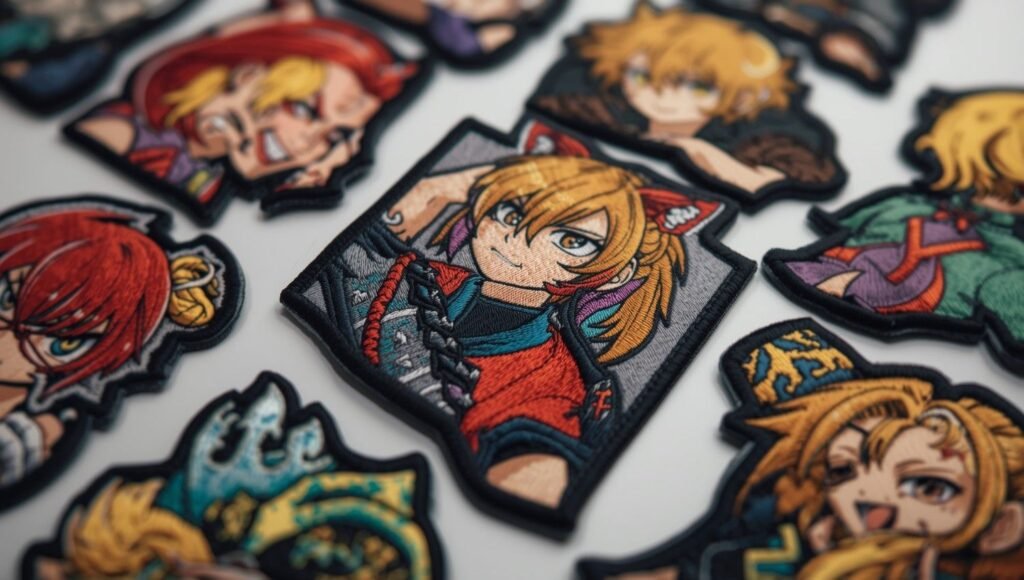
Creating custom patches is more than just working with thread and fabric—it’s about blending artistry with technology to transform a digital vision into an embroidered reality. The process of digitization gives designers a chance to combine creativity with technical finesse, ensuring that every step contributes to a patch that pops with professional detail. When I first learned this craft, I realized how much precision matters—choosing the right stitch path and density is what makes a design come alive.
For me, mastering digitizing felt like the turning point. It’s not just about following software tools, but about understanding how custom patches behave on different fabrics. A well-digitized design will never lose its shape, and that’s what separates ordinary work from designs that truly stand out. Done right, this stage turns your concept into a wearable piece of art that both reflects your vision and enhances the final look.
1-SVG to Embroidery Conversion
Turning a killer design in SVG format into a stitched badge is a journey that blends vector art with precision, software, and a lot of patience. The first step is to prep your file—keep it clean, well-defined, and simplify all text and objects into paths (like using Inkscape “object to path”). This avoids stitch errors and keeps lines crisp, no matter the patch size. Always limit colors, skip raster images, and stick to vectors since they scale sharply. From there, choose the right toolkit for your workflow—whether it’s Inkscape with Ink/Stitch for open-source DST, PES, or JEF exports(great for DIY and budget-conscious makers), or advanced tools like Wilcom Hatch with auto-optimization for professionals. Options like SewArt give a user-friendly direct import for beginners, while Embrilliance Essentials helps with file management and basic conversion for quick edits. Even online converters can be fast for rapid prototyping, though they lack deep customization.
Once you digitize and import your design into embroidery software, the magic begins. You’ll assign stitch types—a satin stitch for outlines or text with a smooth, glossy finish, and a fill stitch for larger areas where you can adjust density to suit the fabric. Don’t forget to tweak parameters like stitch length for delicate or thick materials, and add underlay stitches to stabilize fills and prevent puckering. Color matching with thread libraries like Sulky or Madeira keeps the design’s vibrancy true, though manual tweaks may be needed. Before final use, export and test on your embroidery machine—whether Tajima, Brother, or Janome—to confirm compatibility and ensure the patch loads properly. With advanced techniques like a 3D preview to visualize texture, auto-routing for satin columns, or careful troubleshooting (like trimming threads and adjusting stitch direction), your patch can leap from looking flat to having that irresistible pop. Thanks to community wisdom on YouTube tutorials, forums, and even the famous NASA Worm logo conversions, plus professional digitizing services, mastering stitch type, density, and underlay is the real key to making your designs leap off the fabric.
2-Testing and Export Best Practices
In digitizing, the real battle isn’t just creating the design but making sure your patch survives the jump from screen to stitch with flawless results. Choosing the right file formats is key—DST is the industry workhorse, highly compatible with most commercial machines, while PES works well with Brother or Janome, and JEF is Janome-specific. Before you commit the thread to fabric, run simulation checks in your software to spot overlapping stitches, color changes, or thread breaks. Think of it as a digital dress rehearsal that saves hours and headaches. For extra accuracy, do a scrap-fabric testing run—it reduces risk, checks alignment, thread tension, and highlights stitch density issues before using your best materials.
When troubleshooting tips are needed, watch for color inaccuracy—use thread libraries or manually adjust to better match your design. For stitch density issues, always adjust density based on fabric weight—keep it denser for sturdy fabrics and lighter for delicate ones. With complex designs, break them into smaller sections or use advanced software like Wilcom for better control. A pro tip from experience: even beginners and seasoned pros benefit from testing, because design stitches don’t always behave as expected. Make it a habit, and your patches will reward you with a perfect edge and a vibrant hue every time. In machine embroidery, water-soluble stabilizers also help achieve clean edges without residue—a subtle trick that ensures professional-level quality without trying to permanently bond fabric layers where it’s not needed.
Efficiency and Production Strategies
Whether you’re making a one-off patch for your favorite jacket or gearing up for a small business launch, the right production strategy can make the difference between a fun hobby and a profitable venture. From my own experience, I’ve seen how creators who experiment with different options early on end up saving time and money later. Some lean toward small runs just to test the market, while others go straight into bulk orders to scale quickly.
The key is to find smart hacks that bring maximum efficiency without losing quality. For example, using pre-digitized templates can cut hours from the process, while partnering with reliable suppliers ensures consistency when demand grows. No matter your approach, blending creativity with the right systems gives your patches the balance of personal touch and professional production.
Hand vs. Machine vs. Iron-On Comparison
When it comes to machine-based approaches, the biggest advantage is speed. Machine embroidery is lightning-fast, finishing a patch in just minutes, which makes it ideal for bulk orders and consistent results. You also get precision, clean lines, and the ability to stitch intricate logos or maintain consistent stitching across hundreds of pieces. Woven patches add finer detail for small text or gradients, while scalability is easy with batch processing—the software can duplicate designs and optimize layouts for multiple patches in one go.
On the other hand, hand-made approaches carry artisanal quality, especially with hand embroidery that gives a unique, organic texture. Each piece feels like a mini masterpiece, perfect for personalized gifts or luxury items. The flexibility allows real-time adjustments, where you can add creative flourishes, try appliqué, or experiment with thread blends to add dimension. But there are time constraints—even simple patches take 1–2 hours, while complex designs may take days. For personal projects, artistry matters more, but for small businesses, efficiency, durability, and brand consistency make machine-based or printed patches the better recommendation. A smart hybrid can combine both, giving you layered, eye-catching results that balance creativity with production needs.
Bulk Production and Cost-Saving Hacks
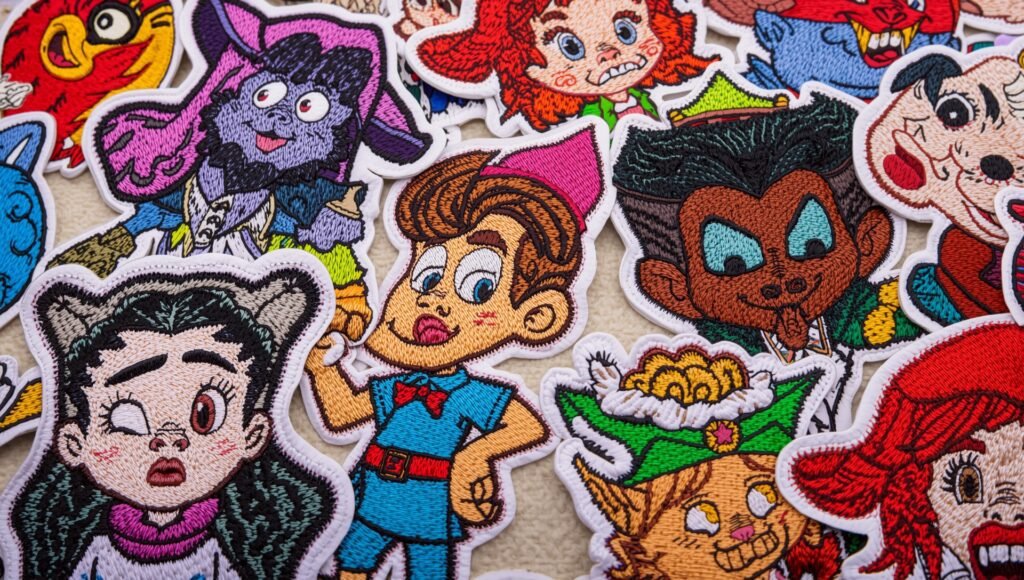
When you want to scale up, keeping costs down while maintaining high quality depends on choosing the right order size and suppliers. Using no-minimum-order services like GS-JJ, Printful, or 4inCustomPatch is perfect for 1–10 patches, small runs, or prototypes. These options often come with no setup fees and even free design services, which makes testing easier. For bigger needs, bulk discounts make sense—larger orders mean lower per-unit costs, and some suppliers like American Patch even give a 20% discount. To avoid overbuying apparel, try ordering separately and simply apply patches on demand.
Smart material and backing optimization also help cut costs. Embroidered patches are known for durability, woven patches capture intricate details, while printed patches are affordable for photorealistic images. Different backingssuch as iron-on or Velcro, can simplify application and reduce labor costs. Suppliers like Quality Embroidered Patches often provide digital proofs in 24–48 hours, physical samples for approval, and allow pre-stored designs for quick reorders. With fast turnaround—from 2–5 days fulfillment, 5-day production with free shipping, to 1-week delivery for small orders—you can manage inventory without risking overstocking. The key advantage of each supplier varies, from global fulfillment and a free design maker to fast proofs and reliable quality. As an insider’s take, leveraging services, using smart material choices, and focusing on high margins can help a solo creator or a growing brand. The longevity tip is clear: choose PVC patches for long-term durability.
Application and Advanced Solutions
The way stitched patches are applied can make them truly shine on jackets, hats, or bags, and the right method improves both style and durability. A good toolkit helps with flawless application, whether you’re sewing by hand or using modern techniques. In my own experience, testing placement first avoids mistakes and ensures the patch looks sharp and professional on any garment.
Beyond the basics, troubleshooting and exploring creative boundaries push your designs further. With future-forwardmethods and patch innovation, you can experiment with new textures, unusual shapes, and layered looks that set your brand apart. The key is balancing strength with creativity so every patch holds up while making a bold statement.
Garment-Specific Application Methods
Different patches work best on certain garments, and choosing the right application method improves both longevity and style. For jackets or other heavy-use items, a sew-on option offers high durability, while iron-on works well for quick fixes on jeans or hats. If you want something temporary or purely decorative use, adhesive patches with low-mod hold are easy to apply. On denim or canvas, stitching feels more permanent and tough, while cotton is patch-friendly but polyester may risk melting. For curved surfaces like baseball caps, try reinforced heat, but for structured hats, sewing gives maximum longevity. Backpacks, totes, or canvas bags often need stronger support since they see daily action, though lighter patches can add fun decorative touches.
From my own experience, professional results come with control and care. A good pro tip is to use garment embroidery with steady tension—magnetic hoops such as Maggie Frame add stability and keep fabric flat, making stitches neat and precise even on tricky or thick materials. You can also try alternative methods like a heat press for large patches with even heat distribution, or a straightening iron for small patches (always with a protective cloth). Some even use stovetop heat, though I’d suggest caution. Finally, smart design and fabrication tips matter—pick the right backing, whether Velcro, sew-on, or iron-on, and always test on a scrap for clean edges and truly professional edges.
Troubleshooting Common Issues
Even seasoned patch pros sometimes hit a snag, but there are simple ways to keep your creations looking sharp and lasting long. To stop fraying, apply anti-fray liquid like Fray Check on the edges before cutting. Use sharp scissors or rotary blades for clean cuts, and always pre-wash the base fabric to prevent shrinkage and future fraying. For minor frays, trim loose threads or secure them with masking tape until fixed. If you face adhesion failure during washing, optimize your heat press at 340–350°F, with medium-firm pressure for 20 seconds. The right backing matters—iron-on works best on cotton or denim, while adhesive suits non-washables, and Velcro helps with removable patches. If a patch peels, just reapply heat or sew it for extra security.
Another common issue is color bleeding, which can be prevented with colorfast materials or sublimated patches for better bleed resistance. Always heat-set patches post-production to lock in dyes. I also advise customers to wash garments inside out in cold water using gentle detergents. Strong quality control also helps: in pre-production, always test thread colorfastness and fabric compatibility; in post-production, trim threads, apply Fray Check, and test adhesion on scrap fabric. Using thin plastic backing gives slim-profile patches a neat edge. From experience, embroidered patches are the most durable and high-contrast, especially with a heat press or sewing for high resistance. Sublimated patches give full-color and photo-quality, while adhesive ones are moderate in durability. For maximum toughness, PVC patches are rigid, weatherproof, and work great with sewing or Velcro for high endurance.
Sustainable and Creative Innovations
In today’s world, patch makers are not only chasing style but also reimagining materials and techniques for a greener, more inventive future. Many now choose eco-friendly fabrics like organic cotton, grown without synthetic chemicals through sustainable farming—though it comes with a higher cost and is less durable than conventional cotton. Others use recycled polyester made from post-consumer plastics, cutting down landfill waste, but with limited embroidery color options. Fibers like hemp and bamboo need minimal water and little pesticide use, making them biodegradable and durable, but often less common with higher production complexity. Some also use recycled denim or recycled leather, which repurposes textile waste into upcycled fashion, though they face limited availability for large orders. To ensure trust, many brands look for certified options like GRS (Global Recycle Standard) and OEKO-TEX certifications, meeting strict safety and sustainability standards.
Alongside fabrics, innovative production methods like scrappy fabric patching turn fabric scraps and batting into quilts for upcycling and creative reuse. With non-toxic adhesives such as EcoStiks, which use recycled polyester and non-toxic glue, an eco-friendly application becomes possible. In embroidery, the focus is on high durability, while woven patches bring finer detail with moderate strength. Creative design variations include 3D embroidered patches with EVA foam inserts for raised and tactile effects—perfect for premium branding. Mixed-media ideas like combining embroidery with PVC add weather resistance and visual contrast, while glow-in-the-dark or reflective threads give extra flair. The use of custom shapes, layers, and irregular or multi-layered patches reflects a strong trend. With collaborative designs, artist partnerships, and limited-edition runs, brands build excitement and exclusivity. On trend watch, the booming DIY culture is fueling demand for unique, sustainable products, with North America leading the embroidered badge market through eco-friendly options. Whether upcycling scraps, experimenting with 3D effects, or embracing bold innovation, the patch world is wide open for those willing to take a risk and tell a story through digitization, efficient production, and the spirit of experimentation that helps designs stand out on the street, in the shop, and anywhere creativity thrives.
How to Use the Custom Embroidered Patches
From my own experience, the simplest way is to sew the embroidery badges directly without glue. This method lets you secure the edge firmly in the right position on your clothing, making it strong enough to last. Another option is using an iron with embroidered patches. Place the badge where you want it, then use a pressing machine or a household iron with steady heat until the hot-melt backing is fused with the fabric. They usually hold well through washing and normal wear, and if you ever notice peeling, you can simply re-attach, press, and it will fit again.
For something more flexible, I often recommend Velcro. In this case, the rough side stays on the clothes, while the hook side is attached to the product, and then you just stick them together. This way, the patch can be swapped or repositioned anytime without hassle, which makes it very practical for uniforms or items that need regular updates.
Details of Custom Embroidered Patches for Clothing
The ground fabric options are wide, ranging from cotton, felt, twill fabric, polyester, PU, and even genuine leather, all known for being soft on the surface and reliable in use. The workmanship can include embroidery, iron-on, or woven methods, with choices of embroidery area like 50%, 80%, or 100% embroidery (full embroidery). You can also add gold or silver embroidery stitch to highlight details. Every size, color, or shape can be made as per the customer’s request. Borders are finished with merrow, stitched border, hot cut border, or laser cut border. For backing, you can choose to sew it on, keep it plain, or go with self-adhesive tape, velcro, depending on your need. Even the packing is secure, with an inner PP bag and an outer export carton, while the minimum quantity starts from 100pcs.
In my own experience, these patches are versatile for displaying a logo or emblem. Their unique texture with durable construction makes them unfailing in use. The big advantage is how easily they attach to any material, whether you peel, stick, hook, or loop them on. For special cases, you can even use a tuxedo clip or safety pin. Beyond style, custom embroidery patches also show your expertise and devotion to your products, helping to truly represent your company.
Advantages of Embroidered Logo Patches
One of the best things about embroidered patches is the soft surface and the use of eco-friendly materials that make them both stylish and sustainable. You can choose eye-catching designs that are durable, resist fading, and come in different colors, sizes, and styles. The safe packing keeps them secure so they will not drop off during delivery. Many brands also love the raised 3D effect logos that highlight their brands with rich, exquisite patterns and a premium appearance. They work especially well on thick fabrics like clothing, coats, jackets, backpacks, and bags, making it easy to decorate products in a unique way.
For businesses, buying wholesale reflective embroidery patches is a smart move. They reflect light at night, so they shine and stay conspicuous, keeping people like those who run, sanitation workers, or traffic police extra safe in their clothes. A professional business with a wide range of embroidered labels and advanced skills is always proud to offer 50%, 75%, or 100% custom options with multiple thread patch backings. This flexibility helps any brand stand out in the competition of today’s apparel market.
Conclusion: Elevate Your Patch-Making Journey
For me, custom patch-making has always felt less like work and more like a craft—a creative adventure where artistry and technique come together. Whether you’re personalizing a jacket, adding branding to uniforms, or just giving extra flair to a favorite bag, the right guide with step-by-step DIY methods makes all the difference. From smart material selection to using the power of digitization, every decision adds value. And I’ve found that a precise application method always depends on the project’s scale and purpose—whether that’s hand embroidery for unique personal touches, machine embroidery for speed and consistency, or iron-on for quick, bold statements.
The best results I’ve seen come from combining quality materials with the patience to test designs until they deliver truly flawless results. Don’t be afraid to experiment—the world of patches is wide open, and the right tools can help turn your vision into a stitched reality. At the end of the day, creativity is what makes stitching exciting, giving every patch its own story and purpose.
FAQ: Custom Patch Essentials
Q: What is the minimum size for a custom patch?
A: The smallest practical patch size is typically around 1 inch, but most suppliers recommend a minimum of 2 inches for clarity and detail. Designs with intricate elements may require a larger size to ensure all features are visible and legible.
Q: How durable are custom patches—can they withstand washing?
A: High-quality embroidered patches are designed to be durable and maintain their appearance through frequent washing. Iron-on and sew-on patches, when properly applied, can survive many wash cycles. For best longevity, wash garments inside out in cold water and avoid harsh detergents.
Q: Are there limits to design complexity for custom patches?
A: Yes, there are some practical limits. Embroidered patches work best with bold, simple designs and clean lines. Woven or printed patches can handle more intricate details and gradients. For embroidery, avoid tiny text or overly complex graphics, as fine details may be lost in stitching.
Q: What materials work best for making patches?
A: Twill and felt are popular choices for their durability and ease of use. Twill provides a sturdy base for embroidery, while felt offers no-fray edges and a vintage look. Canvas and PVC are also used for specific applications, like outdoor gear or waterproof patches.
Q: Can I use custom patches on any type of fabric?
A: Most patches can be applied to a wide range of fabrics, including denim, cotton, canvas, and polyester blends. For delicate or stretchy fabrics, test the patch on a scrap first to ensure proper adhesion and appearance.
Q: Do iron-on patches really stay on, or should I sew them as well?
A: Iron-on patches provide a strong bond for most casual uses, but for high-wear areas or frequent washing, adding a few stitches around the edge can greatly increase longevity. Many crafters recommend both ironing and sewing for the most secure hold.
Q: Can I make patches with more than six colors?
A: Embroidered patches typically allow up to 6–9 thread colors per design, depending on your supplier or machine. Woven and printed patches can support unlimited colors, making them ideal for complex or photorealistic designs.
Q: How do I avoid fraying on the edges of my patches?
A: Use a satin stitch border or merrowed edge for embroidered patches to seal the fabric and prevent fraying. For extra protection, apply a fray check liquid along the cut edge before finishing.
Q: Can I sell custom patches online without minimum order requirements?
A: Yes! Many suppliers now offer no-minimum-order options, allowing you to order as few as one patch at a time. This is perfect for small businesses, prototypes, or personal projects.
Q: What’s the best way to attach a patch to a hat or curved surface?
A: For hats, especially those with a curved brim, use adhesive or iron-on patches for quick application, but reinforce with a few hand stitches for durability. Some creators use fabric glue or sew-on methods for a more permanent hold.
Ready to dive deeper or try your hand at your own custom patch? The only limit is your imagination—so start designing, keep experimenting, and let your patches tell your story!
Very extensive and informative, will keep following you, great help in building my brand.