Over the years, we’ve seen how heat transfer has become incredibly popular for decorating fabric and different items. The combination of pressure and heat makes it possible to print colorful images on t-shirts, garments, or even promo items. we still remember trying my first heat-press machine after watching a short video, amazed at how a simple digital printer and a computer-made graphic could be printed on paper with solvent ink, then pressed onto the material. These transfers created stunning designs with high resolution, even when they were complex and full of colors. For small runs or custom jobs, we found the right printer, good quality paper, and steady heating from the press could hold a design in place perfectly.
From Traditional Roots to Modern Techniques
The debate between sublimation and other printing methods continues in shops today, but each has its advantages, differences, costs, and unique considerations. In my experience, both vinyl and digital techniques work, while screen and printmaking date back to the 18th century, with metal plates that transferred ink on paper or fabric. By the 1950s and 1960s, decals and iron-on styles gave rise to DIY clothing customization, making the 80s buzz with athletic wear. In the 90s, technology advanced, bringing more color, versatile materials, and new ways to refine the process with better equipment. Today, I often compare these types, and every blog that explains the enterprise side of full-color substrates shows how modern and traditional practices both still shape the craft.
What Is Heat Transfer Printing?
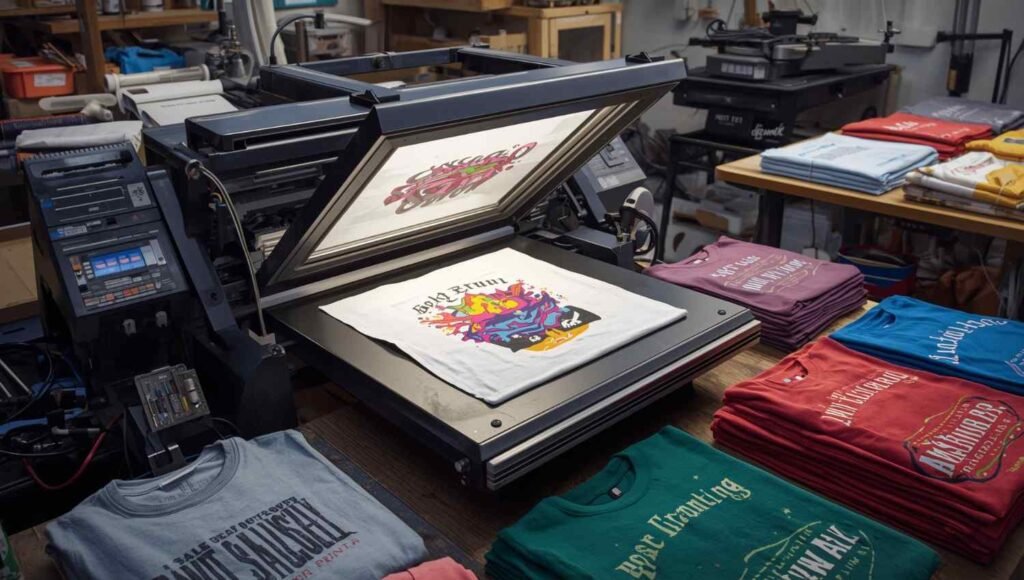
From my own projects, I’ve found that heat transfer printing is a method that works well for many designs and images on different materials such as t-shirts, mugs, or bags. The process feels simple but powerful—an image is first printed on paper or film with special ink, then placed on the item you want to decorate. With a steady press and the right machine, the heat and pressure do the job almost like an iron. I still remember the excitement when the pattern was applied, and the design came alive on the surface.
What makes this craft rewarding is how the transfer works across so many materials, though the compatibility of inks and fabrics always plays a big role. The heat causes the ink to bond tightly, showing that every function of the process has its purpose. Once mastered, this approach makes it easy to bring printed graphics to life, whether for a single item or for multiple projects where personal touch is valued.
Types of Heat Transfer Printing
Over time, I’ve worked with different heat transfer options, and each brings its own strengths. Vinyl printing, for example, starts with cutting and pressing sheets using a cutter and a printer. It works well for simple designs or text on t-shirts, bags, or caps, and the touch often feels slightly raised. I’ve also tried screen printing, where paper or film is printed with plastisol ink before pressing it onto fabric or textiles—this method gives a vibrant, textured look that holds a strong feeling on the surface.
For more detailed projects, sublimation and direct-to-film (DTF) shine. Sublimation uses dye-sublimation ink on paper, and with the right compatibility, it blends into polyester, polyester-coated items, and even mugs or phone cases, giving photorealistic images that look smooth and full-color. On the other hand, DTF with PET film and pigment inks works across many materials like wood, metal, and shirts. I’ve noticed that fine detail and high washability make it perfect for fabrics, while the slightly rubbery finish feels durable yet flexible. Each method varies by level of finish, but all let you explore creative ways to make designs stand out.
Vinyl Heat Transfer (HTV)
When I first tried vinyl transfer, I realized that not all printing is required to get a great design. The vinyl can simply be cut into an outline and placed with heat on the chosen material. This works best for single-colored textual graphicslike names, numbers, or logos on t-shirts, and the ease of use makes it very appealing. I often use this method when I need fast results that look clean and professional.
Later, I experimented with printable HTV, which expanded the possibilities. By creating multi-color artwork, you can press and copy detailed, vibrant images onto different materials and fabrics. From experience, these designs don’t just look sharp but also give room for more creativity. Whether working on a sports jersey or casual wear, HTV keeps proving itself as one of the most flexible methods in custom decoration.
Sublimation Heat Transfer
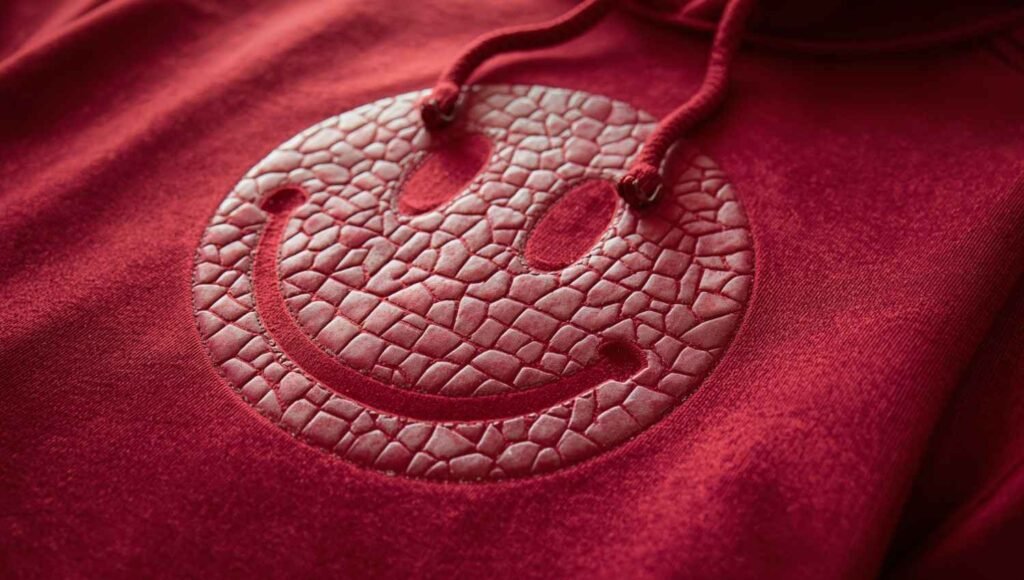
Working with dye sublimation heat transfer has always felt like unlocking a new level of printing. You start by creating a design and sending it to a printer, often an Epson Sure Color Series, which I’ve personally used for years. The print goes onto paper with special ink that turns into gas when heated. Once the sheet is placed on the item you want to decorate, a press machine adds heat and pressure, and the color begins seeping into the material itself. As it cools, the gas becomes solid, making the picture and images look truly realistic and full-colored.
From my experience, this method works best on synthetic fabrics, especially polyester, or on products with a special coating that can accept the transfer. The results are incredibly vibrant and long-lasting, and unlike other methods, they don’t easily peel or fade. I’ve seen clients amazed at how their fabrics and custom items became a part of the print itself rather than just sitting on the surface. If you want durability without losing quality, sublimation is a method worth mastering.
Screen-Printed Heat Transfer
In my own workshop, I’ve often used screen printing for transferring designs onto different materials, and it always feels like blending tradition with creativity. A silkscreen is at the core of this process, where manual work gives control over each step. Sometimes I also work with pre-made screen-printed decals available in the market, which save time but still deliver quality. With film coated in plastisol ink, the choice of colors and the way it is pressed onto a specimen can define the final layer that sits neatly on the surface. The touch of these prints is unmistakable, making them an important ingredient in custom decoration.
From experience, this heat transfer method is ideal when you want vibrant looks across many fabrics. I’ve also achieved unique textured effects using specific inks, something that gives every design a personal flair. While some prefer smoother finishes, the screen-printed route stands out when you need durability, strong colors, and tactile quality. It’s one of those methods that continues to earn trust because it balances creativity with reliable results.
DTF Heat Transfer
When I first tried direct-to-film (DTF) transfer, I realized how modern this heat technique feels compared to older methods. The process begins with designs printed on a specialized film using an inkjet printer and water-based pigments. A layer of adhesive powder is applied to the wet ink, creating a strong bond once the film is coated and moved into the curing stage, where it’s heated to the right temperature until the powder begins to melt. This step is essential for adhesion, making the print ready for any target material.
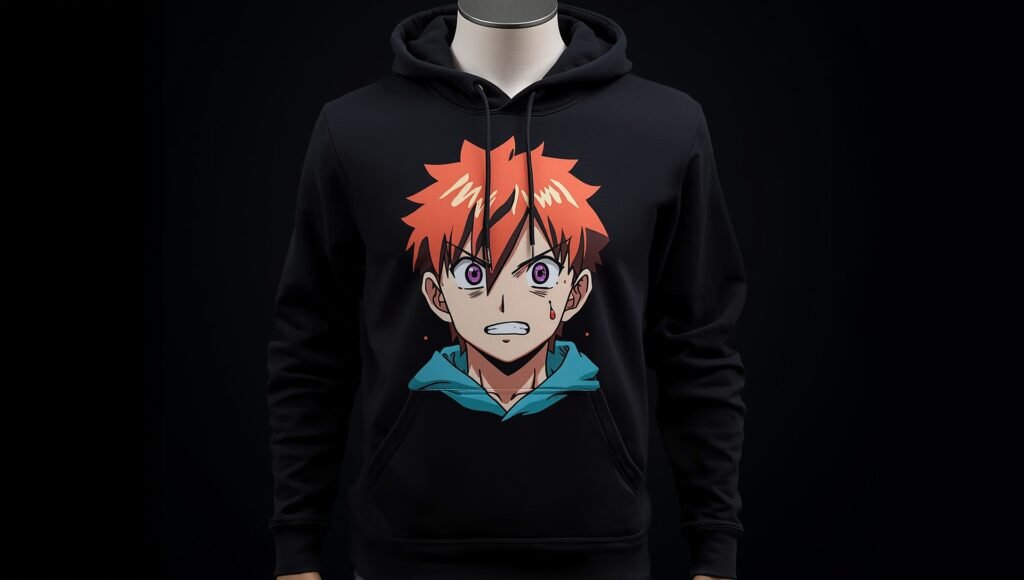
From there, the film is pressed onto different substrates with a press machine, applying controlled pressure. Once peeled, the attached image is durable and looks sharp. I’ve found this method especially advantageous since it works on both light and dark fabrics without pre-treatment. For custom apparel like t-shirts, hoodies, or sportswear, and even accessories such as bags, hats, or shoes, DTF gives flexibility and lasting results. It’s a versatile approach that expands creative options for professionals who need reliable decoration across many surfaces.
What Equipment Is Needed for Heat Transfer Printing?
From my own projects, I’ve learned that heat transfer requires the right equipment to get clean results. At the core, you need paper, inks, and a printer suited for your chosen methods. For direct-to-film (DTF), an inkjet that works with pigment is essential, while sublimation uses dyes to create high-quality, vibrant prints. I’ve often used an Epson Sure Color Series because it delivers consistent results for printing on fabric.
If you’re exploring vinyl, an HTV cutter with a sharp blade like the xTool M1 Ultra is one of the best options on the market. No matter the style, you’ll also need a reliable press machine that applies pressure so each design adheres properly. From my experience, investing in strong printers and the right cutting tools saves time and improves the finish, making each project look professional from start to end.
Heat Transfer Paper: Advantages
From working with heat transfer paper, I’ve noticed how well it suits small and medium print shops that want vibrant, full-color prints produced quickly and cost-effectively. This option brings real advantages, especially when you need flexibility for different applications. With digital printing, I’ve used standard office equipment like color laser copiers, desktop printers, and even inkjet machines, all of which were perfectly compatible. The results surprised me when I decorated items such as t-shirts, bags, wood boxes, and mugs, proving just how versatile the process can be.
What I also admire is the affordability—at its finest, this approach helps businesses create quality personalized goods without stretching their budgets. The materials are easily available and simple to source, which makes the workflow smooth. In my experience, this makes heat transfer paper a go-to tool when looking for reliable results and accessible solutions in decoration and customization.
Sublimation Printing: The Ultimate Solution for Top-Notch Quality and Durability
What drew me to sublimation printing was the process itself and the many benefits it brings. The method produces superior image quality with detailed images, outstanding color accuracy, and rich vibrancy that stand out on polyester fabrics and coated items. I’ve worked with intricate designs where every line stayed sharp and almost true-to-life, making the results feel professional. Because the ink dyes the substrate and becomes part of the product, the colors remain consistent even after multiple washes, giving unmatched durability.
The versatility of sublimation has been a game-changer in my business. I’ve decorated mugs, water bottles, phone cases, and even pillowcases with prints that customers loved. Beyond that, it’s more eco-friendly, since it uses water-soluble, dye-based inks instead of harsh solvents or petroleum-based films. For me, the combination of sustainability and high performance makes this approach ideal for anyone serious about long-lasting custom work.
Heat Transfer Paper vs. Sublimation Printing: Comparison
When I compared sublimation printing with heat transfer paper in my own print shop, the first thing I noticed was the difference in quality, detail, and images. Sublimation offers excellent color accuracy, durability, and longevity, with little risk of fading, cracking, or peeling. On the other hand, heat transfer is known for its ease of setup, making it ideal for beginners who just want to design something, place it under a press, and see results without much investment in equipment.
Still, both have their own costs, materials, and applications. Dye-sublimation inks shine on polyester, blends, and coated substrates such as ceramics, metal sheets, or glass panels, delivering high-quality prints that look bright and sharp. Heat transfer paper, however, works better on cotton and shirts, offering a more cost-effective and affordable solution for smaller orders or complex multicolor projects. In my experience, it’s easier to customize for different needs, though it can leave a slightly stiffer fabric feel and may not hold as well on darker garments. For those who set priorities around environmentally friendly methods, sublimation often feels like the better choice.
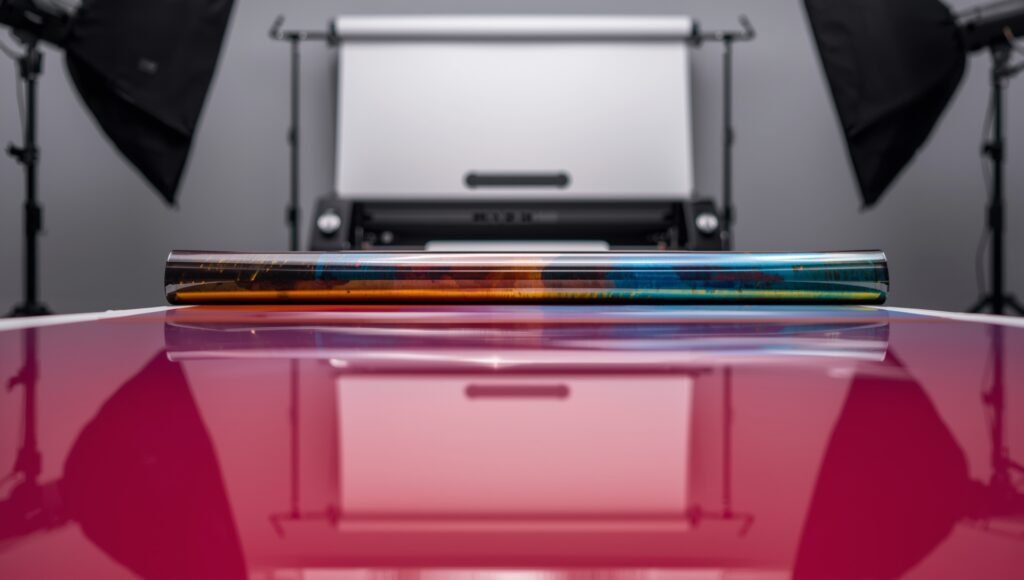
Heat Transfer vs. Screen Printing Quality
In my work with printing, I’ve noticed that quality often depends on the balance between durability and resolution. Heat-pressed items usually start with a sharper image, and the transfer method makes graphics look crisper right away. However, over time, these prints can crack or fade after regular washing and drying in a machine. By contrast, a screen-printed graphic uses ink that bonds directly into the fabric, which helps it hold up better.
Still, I find that each process has its strengths. With screen-printed designs, there may be limits in complexity, but the color remains strong and lasting. On the other hand, heat transfer allows more freedom to add sophistication to a design, even when using multiple shades. In my own projects, I often choose based on the client’s needs—if they want immediate sharpness and creative variety, transfer works; if they want long-lasting results, screen printing wins.
HTV vs. Screen Printing — Which Is Better?
From my own projects, I’ve seen how heat transfer vinyl (HTV) and screen-printed shirts both have their place. With HTV, the process is easier and often quicker, giving me fast results when working on t-shirts with unique designs. Still, because the material sits on the surface, constant exposure during wear and wash can cause it to crack or fade over numerous cycles, shortening its life.
On the other hand, screen printing with ink creates more durable shirts, and in many cases, the quality feels higher. While the methods have their pros and cons, I’ve noticed that when working under a tight timeline, HTV is more flexible. But in terms of budget, screen printing can be more cost-effective, since designs can be reused and often outweigh the low cost of vinyl over time. Choosing between them really depends on whether you value speed or longevity.
Which Printing Method is Best?
When deciding on a printing method, I always start by looking at the needs of the project. If the imprint image is complex with detailed design, heat transfer often delivers the crispest colors and does so cost-effectively. For light t-shirt fabric, the results appear vibrant, while dark garments usually look better with screen printing. I’ve also noticed that if your target audience values environmentally friendly products, transfer can add real value.
In my experience, smaller orders of shirts, promo items, or customized names for sports team uniforms work best with heat transfer since it’s quick, flexible, and cost-effective. But for a larger order where durable, longer-lasting clothing or promos with a higher-end appearance are needed, screen printing is often the safer bet. Both approaches have strengths—heat for short-term quality and higher resolution, and screen for designs that stand the test of time.
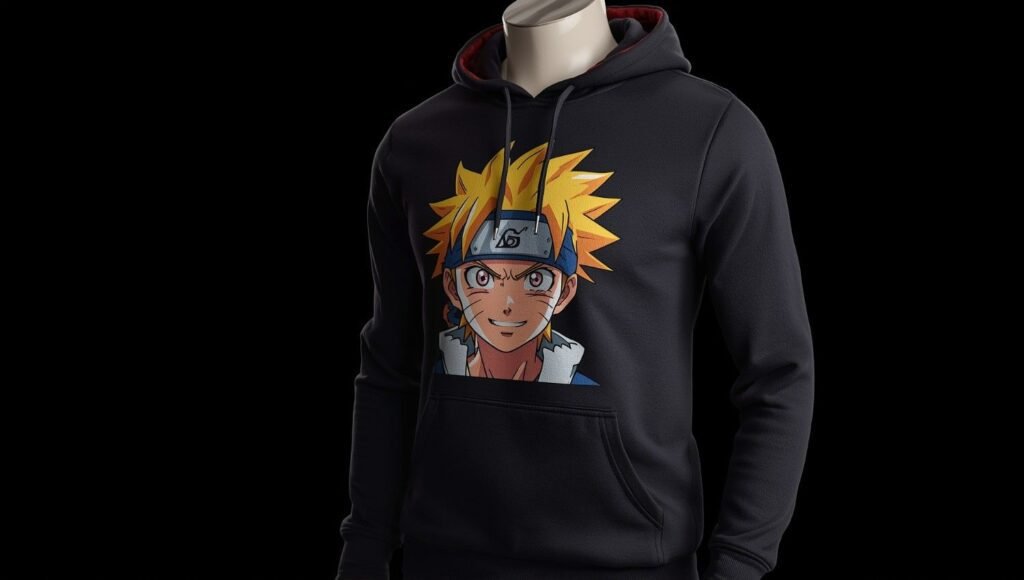
FAQs: Heat Transfer Paper vs. Sublimation Printing
Which is better: Heat Transfer Paper or Sublimation Printing?
It depends on what you need. Heat transfer paper can be used on many different fabrics, but the print quality may not be as sharp. Sublimation printing, on the other hand, gives higher quality and lasts longer, though it works best on polyester or specially coated materials.
What is the difference between Heat Transfer Screen Print and Sublimation?
Heat transfer screen printing uses liquid ink applied directly onto fabric, while sublimation uses heat-activated inks that bond with polyester fibers. Sublimation usually produces brighter colors and longer-lasting prints without peeling or fading.
Can regular printing paper be used for sublimation?
No. Regular paper won’t work. Sublimation paper has a special coating that allows the dye to transfer correctly.
What are the disadvantages of Sublimation Printing?
Sublimation only works well on light-colored polyester fabrics or coated surfaces. It’s not suitable for dark fabrics, where other printing methods might be better.
Can any printer make heat transfers?
Not all printers are designed for heat transfers. Many standard printers can work, but you must check if they are compatible with the type of ink required, such as pigment-based or sublimation ink.
What type of printer is best for Heat Transfer?
For vinyl heat transfer, a vinyl cutter like the xTool M1 Ultra works best. For other methods, you’ll need a color printer that can handle specific inks. Good options include the xTool Apparel Printer, Epson ET-3850, Epson SureColor 900, Canon Pixma Pro, and HP OfficeJet Pro.
Conclusion
After years of working with different heat transfer and printing methods, I’ve learned that the choice depends on your design, materials, and overall needs. If you want fast turnaround, flexibility, and cost-effective customization for t-shirts, promo items, or small orders, heat transfer is often the smarter option. But when the focus is on durability, vibrant colors, and longer-lasting clothing, screen or sublimation printing usually delivers better results.
Ultimately, there is no one-size-fits-all answer—the best method comes down to balancing quality, budget, and the expectations of your target audience. By understanding the strengths of each approach, you can make confident choices that bring out the most in your images, fabrics, and creative projects.