
Info About Fashion’s Biggest Buzzword
When we first explored streetwear, we realized it was more than just fashion—it was a lifestyle. Starting a brand or clothing line from scratch can feel intimidating, but hearing stories from people like Craig Renwick, owner of Awake at Three, reminded me that being successful often comes down to the courage to simply begin. A guide to building your label often stresses how important it is to know your audience, create a strong brand identity, and decide how much time, energy, and cost you’re willing to invest. It doesn’t always take a fortune, only the will to start where you feel comfortable. Today, streetwear has become the real buzzword in apparel culture, shifting how new designers think about growth and impact.
The fashion industry now calls streetwear one of its fastest-growing and most powerful movements. According to Business of Fashion, the global scene was estimated at over $309 billion back in 2017, proving how big this multi-billion dollar wave has become. A survey by Hypebeast showed that 45% of consumers said they purchase a clothing item every month, while 62% agreed that products tied to this style are always in fashion. As a hypebeast, you already know this movement is here to stay. The buzzword is no longer just talk—it’s the fuel behind a scene that continues to redefine modern fashion.
What is Streetwear?
The Definition of Streetwear
The definition of streetwear may sound simple, but the fashion industry shows it’s layered with meaning. At its core, it’s fashionable, casual clothing embraced by followers of popular culture—often people under 30 living in urban areas. Many come from subculture groups like skateboarders, hip-hop music fans, or anyone chasing a fresh style. From my own view, streetwear grew because of its influences—whether skate, surf, or sports, it all blends into something unique. Over the years, it’s even been touched by haute couture fashion and K-pop, giving it more global reach than ever.
What makes streetwear special is its customer base, which is truly diverse, cutting across every income level, socioeconomic status, and corner of the globe. Sure, some call it overpriced with endless t-shirts, hyped sneaker releases, or designer logos stamped everywhere, but that’s only the surface. The real magic is in the widespread shift it represents—fashion driven by culture, not just runways.
Streetwear’s Influence on the Traditional Fashion Model
Streetwear completely shifted the traditional fashion model by taking control away from designers, trend forecasters, and the runway, where buyers once decided which styles made it in-store and magazine editors told consumers what to wear in the upcoming season. With a direct-to-consumer approach, everyday people are now the ones driving trends. I’ve seen how this disruption not only changed fashion but also democratized it, giving power back to the street.
In today’s digital world, street style from high-status influencers, celebrities, and musicians spreads fast through social media. A single clothing label can blow up overnight as users keep liking, sharing, and retweeting, leaving the old-fashioned elite behind. Many brands now focus on their own websites instead of retail channels, relying on single product drops—the sneakerhead style of product release—rather than a runway calendar. By offering a limited quantity, they fuel hype, ensure scarcity, and increase resale value after a product sells out. Some even use a lottery system, forcing potential customers to compete just for the chance to shop.
Streetwear as a Status Symbol
Luxury streetwear shows how fashion reflects our consumer culture, where a logo on the chest or sneakers on your feet often says more about the brand than the item itself. A designer label can signal status and exclusivity, with expensive labels acting as markers of social status, income level, and even personal values. Seeing someone in Balenciaga compared to Zara knock-offs quickly shows the divide between those who own exclusive pieces and those who can’t.
Because of this gap, the fast fashion industry jumped on the streetwear bandwagon, offering customers more affordable dupes. To the untrained eye, these look similar, but a hypebeast can spot a fake from a real designer piece instantly. This is especially true in sneaker culture, where authenticity, rarity, and brand legacy matter more than anything else.
Streetwear as a Reflection of Pop Culture
Streetwear is often seen as a reflection of the cultural landscape, where street fashion shifts as people change. Part of the industry’s success comes from its inclusivity, with many brands being size-inclusive, gender-neutral, and created or worn by people of color. Its strong link to pop culture is clear, with different styles of music shaping street style throughout history.
In the 80s and 90s, the hip-hop rap scene influenced fashion with gold chains, tracksuits, bucket hats, and white Nikes, building a deep relationship that lasted for decades. More recently, K-pop has made its mark, thanks to the worldwide popularity of groups like BTS and Blackpink, broadening musical taste in streetwear and pushing it into new cultural directions.

What Is Considered Streetwear?
Whether it’s a designer tee with a bold logo or an affordable piece from Zeitgeist, your fashion choices always communicate what you value. Different brands often reflect your personal style and overall fashion values, showing how streetwear connects not just with clothing but also with identity.
Factors like location and income level shape how people wear it, but what makes it real is staying authentic. Ignore the sponsored posts flooding your feed and focus on comfort, practicality, and above all, self-expression—because that’s what truly defines streetwear.
The Origins of Streetwear
When did streetwear start as a fashion trend?
The origins of modern streetwear go back to the 1980s and 1990s in the United States, where California’s surf and skate culture played a huge role. At first, kids decorated their boards with stickers and logos, and soon they started wearing them too. With MTV amplifying trends, street fashion grew quickly. At the same time, hip-hop fashion, sneakers, and basketball—rooted in Black subcultures—pushed this laid-back, athletic-inspired style into the spotlight.
When rappers like Jay-Z, Snoop, and Biggie hit the mainstream, and athletes like Michael Jordan began selling sneakers, the movement exploded. From skateboarding roots to the current reality, it has merged into sneaker culture, hip-hop culture, and eventually became the street culture we know today.
Who started streetwear?
When talking about the pioneers of the industry, a few names always stand out. Shawn Stussy from California started his surf brand, Stussy, which quickly became iconic in street fashion. At the same time, James Jebbia created the skate brand, Supreme, that shaped much of the culture around exclusivity and limited drops.
On the East Coast, Dapper Dan, a Harlem designer, blended luxury streetwear with bold custom pieces for hip-hop artists and other influential people of color. Together, these figures laid the foundation of what we recognize as streetwear today.
What are the best streetwear brands?
The streetwear game is full of streetwear brands, but not all fall into the same lane. They usually fit into four categories: original, sportswear, adopted, and luxury. Knowing the difference can help you spot an OG label from a cheap wannabe.
An original brand sets the tone with creative roots, while sportswear names bring athletic influence into casual style. Adopted labels may have joined later, following trends already made popular. Then there’s luxury, which blends exclusivity with high-end design. This quick breakdown shows how diverse and influential streetwear brands really are.
Sportswear
Many people use sportswear and streetwear interchangeably, and that’s because sportswear brands became the foundation of modern streetwear. Over time, athleticwear brands expanded their offering beyond just sports-related gear, stepping into athleisure, performance apparel, and even classic sneakers that shaped everyday fashion.
The majority of the highest-value items in the streetwear industry still come from sneakers, giving these labels huge financial power. From basketball-inspired shoes to lifestyle drops, sportswear brands continue to influence streetwear culture on a global scale.
Adopted
Adopted streetwear brands came late to the party, jumping on the streetwear trend once it became financially lucrative. These brands often design products that follow the trends set by original streetwear brands, rather than creating something new from the ground up.
Many of these players are fast-fashion retailers that push out quick dupes of luxury streetwear items, making the look more accessible but often sacrificing quality. This wave of adopted streetwear brands shows how even outsiders can shape the culture when money and mass demand are involved.
Luxury
Luxury streetwear brands are relatively new to the fashion industry, and they blur the lines between OG streetwear brands and old-school luxury fashion houses. While they keep ties to their streetwear roots, their products are often offered at a higher price point that appeals to traditional luxury customers.
These labels function as status symbols, relying heavily on exclusivity and scarcity to create desire. From my own view, this mix gives fans the edge of streetwear culture while enjoying the prestige of luxury fashion houses, making them a strong force in both worlds.
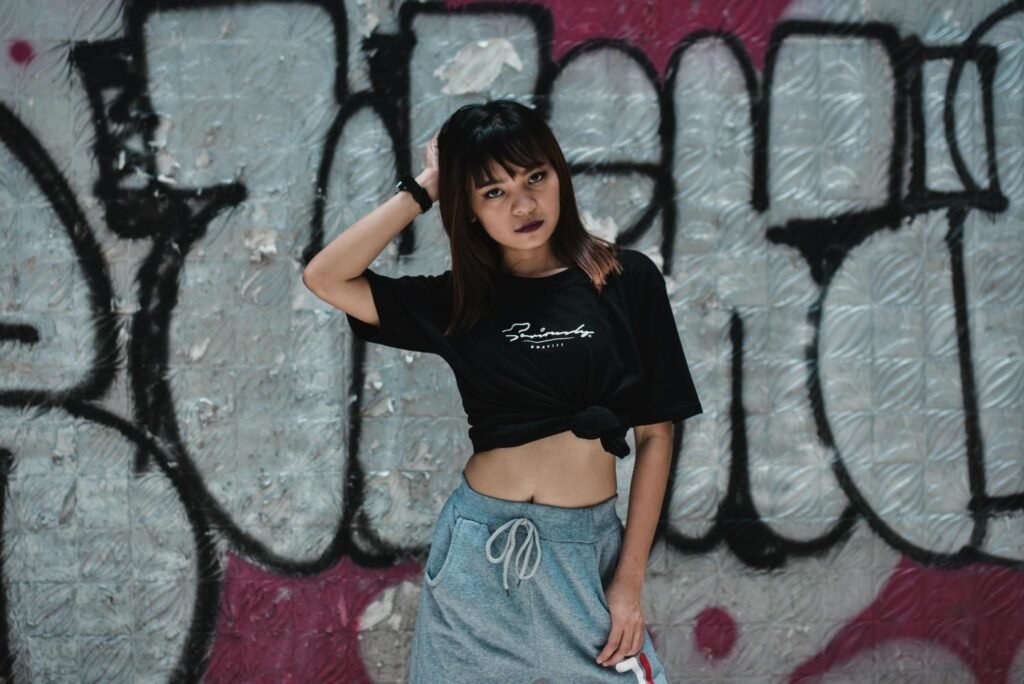
Streetwear in 2025
The streetwear industry continues to shape the global fashion market, and it’s projected to exceed $347 billion in 2024 and reach $637 billion by 2032. More brands in the fashion industry are expanding collections with streetwear, like when the sportswear brand On launched a dedicated streetwear line, the IKON Collection, in 2024. The popularity of fast fashion sites such as Shein pushes streetwear to contrast the trend by embracing sustainability and quality. Customers are now ready to invest in longer-lasting pieces made from high-quality materials, even if it comes with a higher price tag.
Customer behavior is leaning toward versatile pieces that influence style preferences in the streetwear industry. In 2025, we can expect more innovative fashion, with the rapid development of digital technologies being incorporated into streetwear clothing. Think apparel with built-in phone chargers or temperature-regulating fabrics—ideas that show how streetwear can blend creativity with function. For anyone ready to launch a fashion brand, this is the time to ride the wave of fresh possibilities.
What makes a brand “streetwear”?
A streetwear brand is a line of clothing that feels both casual and fashionable, often including graphic hoodies, tees, sweatpants, and sneakers. It first became popular in the 1990s, shaped by hip-hop culture in New York and Californian surf style. Many urban youth subcultures, along with hip-hop artists, brought these looks to the market and connected directly with their fans.
Today, mainstream fashion has fully embraced popular streetwear merch, with celebrities and influencers making it a global fashion statement. Names like Stüssy, Supreme, and Obey are seen as leading streetwear brands, yet each of them started small before becoming icons of culture.

How to start a streetwear brand in 6 steps
Step 1: Define Your Target Market
Every streetwear brand begins with knowing its target audience. Do market research to understand consumers, especially young people under 25, often linked with Gen Z. Look at a wider audience too, analyze brands in the streetwear category, and find what’s selling or buying. Sometimes, a gap like t-shirts with food puns can be a fresh angle. Watch how competitors interact with customers, because customer service can influence sales as much as the product itself. Collect data on the psychological and emotional factors that drive people to choose a brand, since this shapes the launch process.
Step 2: Create a Strong Brand Identity
Once you know your market, create a brand identity that shows your values, personality, and brand image. Define your purpose, mission, and how you’ll connect with enthusiasts. Add sustainability with eco-conscious materials like fabrics, inks, and dyes to build an emotional connection. Look at Plant Faced, which links fashion to the environment, or the French label Pas Une Marque (Not a Brand), blending philosophy into style with Seams of Dissent. Show your brand’s personality across touchpoints—from packaging, websites, and social media accounts to marketing materials. Use style guidelines, unique colors, fonts, and images to create a lasting impression and grow trust, customer loyalty, and engagement through a clear brand story.
Step 3: Decide on the Production Process
Your production process will shape the future of your clothing brand. Some choose ordering in bulk from a wholesaler, investing capital for better wholesale prices from a supplier or manufacturer. While this offers a good margin, risks include leftover stock, storage costs like rent, warehouse fees, utility bills, or even insurance for unsold inventory. On the other hand, POD (print-on-demand) lets you experiment with trendy designs and make merch only when there’s demand, avoiding waste. From my experience, fulfilling orders yourself adds a personal touch with extras like a gift card, sample, or message, but it’s time-consuming and limited in scalability because of shipping, logistics, and inventory management.
Step 4: Design Products That Stand Out
With a clear brand identity, move on to design products like custom t-shirts, custom hoodies, sneakers, or socks. According to Hypebeast, sneakers remain the most bought item, but even tees can build a loyal following. Tools like Printful’s Product Catalog and free mockups simplify testing ideas. You can use free templates, hire a designer, or make your own logo. Focus on the right printing method—whether embroidery, direct-to-garment printing, sublimation, or direct-to-film printing—each suits different materials. I’ve found that getting samples and asking for feedback from friends, family, or even the subreddit r/streetwear startup improves your design skills and brings top streetwear design ideas to life.
Step 5: Launch Your Online Store
The next step is creating an online store to sell your streetwear brand. Use ecommerce platforms like Shopify, WooCommerce, or BigCommerce, which provide templates, payment gateways, inventory management, and marketing tools for your website. Or explore marketplaces like Etsy, Amazon, and eBay to tap into their customer base with just a fee instead of a monthly subscription. Many start-ups integrate directly with partners like Printful, making fulfillment seamless. Don’t ignore social media platforms like Instagram, TikTok, and Facebook, where you can convert followers into customers with just a few clicks.
Step 6: Market Your Streetwear Brand
Finally, focus on marketing strategies that suit your time and money. Use crowdsource inventory ideas by tracking trends and conversations with social listening tools like Mention or Google Trends. Offer pre-order items to test demand. Building a community through a Facebook group, TikTok following, or YouTube channel strengthens consumer insights and provides exclusive access to new drops. Encourage user-generated content such as customer reviews, posts, or profiles for added social proof. Partner with influencers whose style aligns with your brand; according to Sprout Social, almost half of purchases happen due to influencer credibility. Use style guides to show outfits, create exclusivity with product drops, and play into Drew Eric Whitman’s instincts of the desire to feel superior—that’s how you spark true exclusivity in the streetwear business.
How much does it cost to start a streetwear brand?
The starting costs for a streetwear brand don’t need to be extravagant—in fact, with the right marketing strategy, you can invest time and money wisely even on a $50 budget. Setting up an online store is possible with free content creation tools and social media marketing, while a print-on-demand or dropshipping model means you only pay for products once orders arrive. This removes the need for holding stock and allows you to test designs quickly. Whether you build a storefront or list on a marketplace, keeping expenses low early on is completely doable.
Of course, there are other costs you need to plan for, like shipping, outsourcing, or handling business taxes. It’s smart to consult your local tax authority or a tax professional to understand your tax obligations, required permits, and licenses your brand can comply with the right laws. From my experience, staying organized early keeps you focused on growth rather than scrambling later. For step-by-step help, check out Printful’s guide on setting up taxes—it explains the process in just 3 simple steps.
FAQs
How do I start a streetwear brand?
Start by defining your target market. Gen Z, for example, is a major streetwear audience. Build a unique brand identity with a mission, values, and story. Choose a production method like print-on-demand for low upfront costs.
Design products, set up an online store on a site like Shopify or Etsy, and market with community-building and influencers. Use Printful for easy product creation, easy listing, and streamlined order management.
Is streetwear profitable?
Yes! The streetwear market is projected to hit $637 billion by 2032. Brands like Stüssy and Supreme started small and scaled by building loyal communities and offering exclusive drops.
Using print-on-demand for your streetwear business keeps startup costs low, while limited editions and niche designs help increase profits. Success grows with strong branding, smart marketing, and strategic product releases.
What makes a brand streetwear?
Streetwear blends casual style with cultural identity—think graphic tees, hoodies, and sneakers. It draws from hip-hop, skate, and surf roots and often represents more than just fashion. A strong streetwear brand tells a story, resonates with its community, and balances exclusivity with expression.
How do I create a streetwear brand name?
Choose a name that reflects your mission and vibe. Use wordplay or cultural cues. Keep it short, memorable, and relevant to your niche.
Check domain availability and social handles. Tools like Namelix or Shopify’s Name Generator can spark ideas. Test it with your audience before finalizing.
Just go and do it
Starting your own streetwear brand can be a fun and exciting endeavor that could turn into a profitable business. Of course, as with anything worthwhile, it takes time, patience, and consistency. Remember to use all the free tools at your disposal for designing, advertising, and conducting your market research.
Plus, you can choose how your apparel is produced and how much to spend on your virtual storefront. The print-on-demand dropshipping model allows you to launch your business without money or inventory. This means you can experiment with different designs until you find the one (or more) people like.
So, get out there, find your audience, build a brand image, and start selling your clothing line with your custom prints and logo. There’s no better time than now to enter the world of streetwear.